Quantum computing is often discussed as a revolutionary technology, but its practical impact on gambling is still widely misunderstood. Many claims mix realistic long-term possibilities with near-term myths, especially around breaking casino games or predicting outcomes.
This article explains what quantum computing actually is, how it differs from classical computing, and where its future role in gambling could be meaningful. The focus is on realistic applications, timelines, and limitations rather than speculation.
What Quantum Computing Actually Is
Quantum computing uses quantum bits, or qubits, instead of traditional binary bits. While classical bits are either 0 or 1, qubits can exist in multiple states simultaneously due to superposition.
This allows quantum computers to process certain types of problems far more efficiently than classical machines. However, this advantage applies only to specific problem classes, not to general computing tasks.
Quantum computers are also extremely sensitive to noise and errors. Most existing systems are experimental, expensive, and unsuitable for real-time consumer applications.
Key Concepts in Plain Language
Quantum speedups matter for optimization, simulation, and cryptography-related tasks. They do not magically compute every problem faster.
For gambling, this distinction is critical. Random number generation, game logic, and payouts are not automatically vulnerable just because quantum computers exist.
Where Quantum Computing Could Affect Gambling Technology
The most realistic impact of quantum computing in gambling is indirect. It is more likely to influence backend systems than gameplay itself.
Risk modeling, fraud detection, and market optimization could benefit from quantum-enhanced algorithms. These areas involve complex probability spaces where quantum approaches may offer long-term advantages.
Sports betting operators may eventually use quantum tools to analyze massive datasets more efficiently. This could refine odds-setting processes, not predict outcomes.
Potential Use Cases Worth Watching
Possible future applications include:
- Advanced risk and exposure modeling
- Faster detection of coordinated betting patterns
- Optimization of liquidity in betting exchanges
- Improved simulation of complex betting markets
These uses strengthen operators, not individual players.
Common Myths About Quantum Gambling Advantages

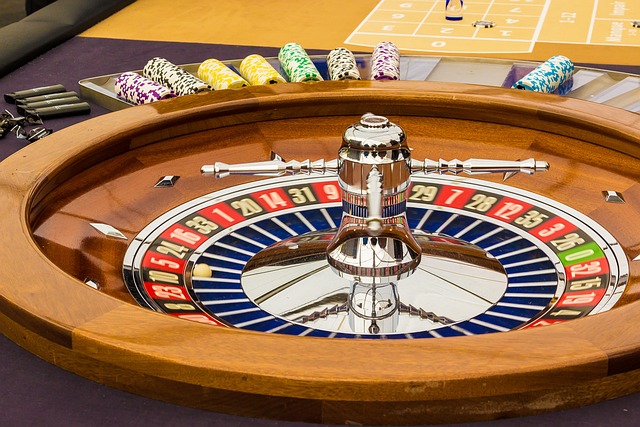
A persistent myth is that quantum computers will “crack” slot machines or predict roulette outcomes. This misunderstands how modern gambling systems work.
Slots use certified random number generators designed to be unpredictable, not computationally complex. Quantum computing does not provide shortcuts to predict randomness.
Another misconception is that players will gain access to quantum tools. Even if such tools become practical, they will be controlled by large institutions, not individuals.
Myth vs. Reality Overview
| Claim | Reality | Why It Matters |
|---|---|---|
| Quantum breaks RNGs | RNGs remain unpredictable | No player edge |
| Predicts sports results | Outcomes are non-deterministic | Data ≠ certainty |
| Players gain advantage | Operators control access | Asymmetric benefits |
| Casinos become unsafe | Security evolves | Systems adapt |
Understanding these limits prevents false expectations and risky behavior.
Implications for Security and Fairness
Quantum computing poses a long-term challenge to cryptographic systems. This matters for gambling platforms that rely on encryption for payments and account security.
Over time, gambling operators will need to adopt quantum-resistant cryptography. This transition is already being discussed in other industries like banking.
From a fairness standpoint, quantum computing does not inherently make games less fair. Regulation, auditing, and transparency remain the controlling factors.
What Players Should Actually Care About
Players are unlikely to interact with quantum systems directly. The real concern is whether platforms update security practices responsibly.
As with any new technology, the risk comes from poor implementation, not from the technology itself.
Why Quantum Computing Will Not Change Gambling Overnight

Quantum computing is progressing slowly and unevenly. Practical, fault-tolerant systems are still years away from widespread deployment.
Even when mature, integration into gambling platforms will be gradual. Regulatory approval, cost, and technical barriers slow adoption significantly.
Most gambling experiences over the next decade will remain unchanged. The math behind games, the house edge, and player odds will stay the same.
A Realistic Timeline Perspective
Short term: no impact on players.
Medium term: backend experimentation by large operators.
Long term: improved infrastructure, not predictive gambling.
Quantum computing enhances computation, not luck.
A Measured Outlook on Quantum Gambling
Quantum computing will likely strengthen operational efficiency rather than disrupt gambling fundamentals. It offers tools for analysis and security, not shortcuts to winning.
For players, the smartest approach is skepticism toward exaggerated claims. No technology eliminates variance or house edge.
Understanding what quantum computing cannot do is just as important as knowing what it might eventually enable.